DIRECTION
Morning, afternoon, night
Where possible, rotate shifts forwards, from mornings to afternoons to nights, rather than backwards.
Check a rota
 doodleschedule
WHAT THE GUIDANCE SAYS
MORNING then afternoon, then night
Not every rota is equally tiring.
The Health and Safety Executive says there is no single best shift system, but some designs are clearly harder on the body clock than others. Its guidance sets out what makes a schedule easier to live with.
Updated
Check a rotaTHE SHORT ANSWER
HSE's Managing shift work guidance (HSG256)
lists good practice for schedule design.
DIRECTION
Where possible, rotate shifts forwards, from mornings to afternoons to nights, rather than backwards.
Check a rotaLENGTH
Limit shifts to 12 hours including overtime, and nights or safety-critical work to 8 hours.
See the numbersRECOVERY
When switching between days and nights, allow a minimum of 2 nights' full sleep. Daytime sleep is usually lighter and shorter.
Tips for workersA QUICK ROTA CHECK
Pick a feature of a shift pattern to see what HSE guidance says about it. The bar shows how strongly the guidance warns against it.
Based on HSE's Managing shift work (HSG256). General information about rota design, not legal advice.
TWO NUMBERS WORTH KNOWING
One figure on how common shift work is,
one on how long a shift should run.
≈ 14%
Share of the UK working population on shifts
HSE's guidance puts it at around 14% of the working population, about 3.6 million people, doing shift work most of the time. Its fatigue page says more than 3.5 million.
SHIFT WORKERS · HSE HSG256
12 hours
Recommended maximum shift, overtime included
Alertness and performance can deteriorate significantly over long shifts. For nights and demanding or safety-critical work, HSE suggests 8 hours.
SHIFT LENGTH · HSE HSG256
HSE says the incidence of accidents and injuries has been found to be higher on night shifts, after a run of shifts, when shifts are long and when breaks are inadequate.
FOUR HABITS TO TRY
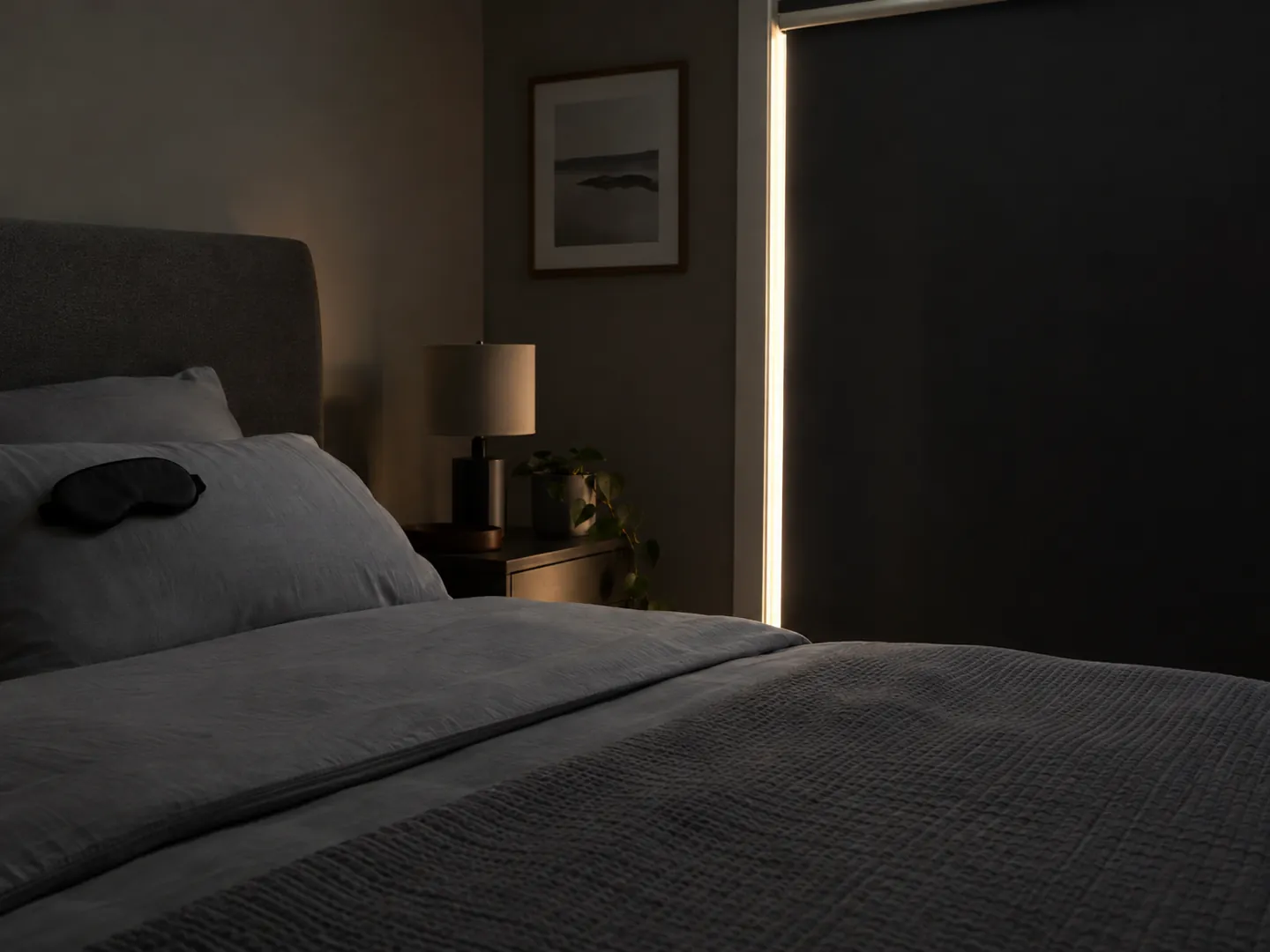
HSE's hints for shift workers focus on protecting sleep, especially the lighter, shorter sleep that comes in the daytime.
HSE suggests a short sleep before your first night shift, and a short sleep then an earlier bedtime when coming off nights.
Use heavy curtains, blackout blinds or eye shades, and ask family and neighbours to keep noise down while you sleep.
Regular light meals and snacks are less likely to cause drowsiness than one heavy meal.
Driving after a long or night shift can be risky. Consider public transport, share driving, and stop for a short nap if you feel sleepy.
NIGHTS IN A ROW

HSE suggests limiting consecutive working days to 5 to 7 in general. For long shifts over 8 hours, night shifts and early starts, it may be better to set a limit of 2 to 3 in a row.
It also suggests avoiding early starts before 7am where they are not strictly needed, avoiding split shifts, and building regular free weekends into the schedule. HSE says there is no single shift system that suits everyone.
Questions
Forwards where possible: mornings, then afternoons, then nights. HSE says there is limited evidence the body clock adapts more quickly to this direction, which may help reduce sleep loss and fatigue.
HSE's guidance is to limit shifts to a maximum of 12 hours including overtime, and to limit night shifts or demanding, monotonous or safety-critical work to 8 hours.
HSE calls them the most disruptive schedule, because the body clock starts to adapt and then has to reset itself when the shift changes. It recommends avoiding them where possible.
GOV.UK says staff who regularly work at least 3 hours during the night period are night workers. The night period is 11pm to 6am unless a different 7-hour period including midnight to 5am is agreed in writing.
HSE says most adults need 7 to 8 hours a day, though this may decrease with age. If you cannot get it, resting is still beneficial.
Sources
ABOUT THIS NAME
doodleschedule.com is part of the DoodleSale portfolio. It isn't in an auction right now, but you can ask about leasing it.